
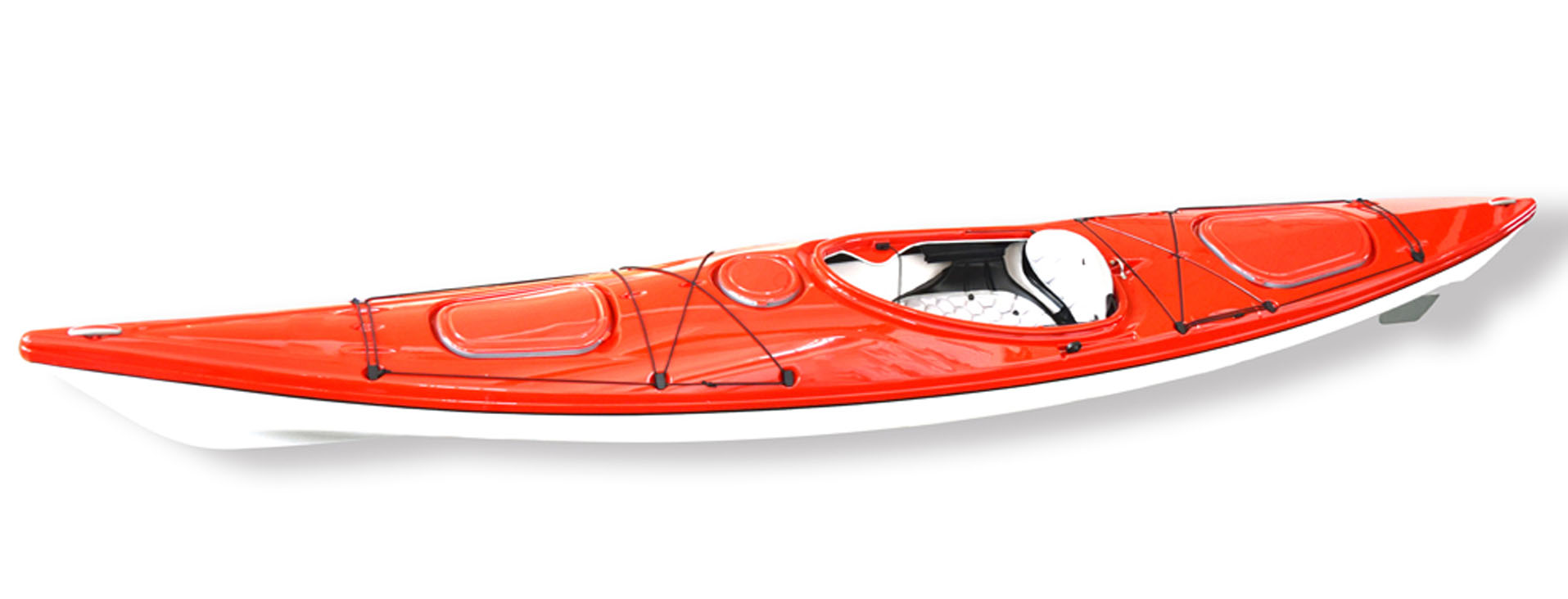
Proizvođač plastičnih kanu kajaka to vam kaže kada kajak uđe u kabinu, gornji dio tijela je uspravan i blago nagnut naprijed. Noge su prirodno savijene, koljena dodiruju strane unutrašnjeg zida kabine, a tabani gaze na pedale u kabini. Nakon što se držanje ispravi, koristite kičmu kao centralnu osovinu za stabilizaciju tijela, držite gornji dio tijela na središnjoj osi, i ne ljuljajte se s jedne strane na drugu. U procesu veslanja, djelovanje sile je usko povezano sa lijevom i desnom rotacijom tijela.
Uzmite lijevo veslo kao primjer u kajaku, držite veslo s obje ruke, savijte desnu ruku, i stavite desnu ruku ispred čela. Lijeva ruka je blago savijena, a lijevo veslo je potpuno uvučeno u vodu.
Proizvođači plastičnih kanu kajaka kažu da se malo nagnete naprijed kako biste bolje pokazali fizičku snagu. Rotirajte gornji dio tijela udesno da maksimizirate lijevu ruku na luk za duže zaveslaje. Tada mišići nogu vrše snagu, leva noga gura napred, a lijevo međunožje je uvijeno ulijevo kroz reakcijsku silu pedale.
Proizvođač plastičnih kanu kajaka kaže da međunožje pokreće cijeli donji dio leđa na uvijanje i uvijanje, a lijevo rame tjera lijevu ruku da pomiče vodu unazad. Tokom moždanog udara, lijeva ruka uvijek održava početni pokret nepromijenjen. Kada se lopatica dovede do položaja kuka Povremeno podižite veslo, zatim brzo prebacite na desno veslo.
Proizvođač plastičnih kanu kajaka kaže da je redoslijed tjelesne sile u cijelom procesu veslanja: noge, kukovi, struka, nazad, ramena i ruke se prenose redom, a gornji dio tijela je uvijek okomit osim lijevog i desnog zavoja.


