
સિંગલ સીટ કાયક ઉત્પાદકો તમને જણાવે છે કે કાયકિંગને બે વસ્તુઓમાં વહેંચવામાં આવે છે: કેયકિંગ અને રોઇંગ. ગ્રીનલેન્ડના ઇન્યુટ લોકો દ્વારા બનાવવામાં આવેલી નાની હોડીમાંથી કાયકની ઉત્પત્તિ થઈ હતી. આ બોટ વ્હેલની ચામડી અને ઓટરની ચામડી સાથે હાડકાની ફ્રેમમાં લપેટી છે, અને તેને બંને છેડે બ્લેડ વડે ઘોડી વડે દોરવામાં આવે છે. આજે, કાયકના વર્ગીકરણ વિશે જાણવા માટે સિંગલ સીટ કાયક ઉત્પાદકને અનુસરો.
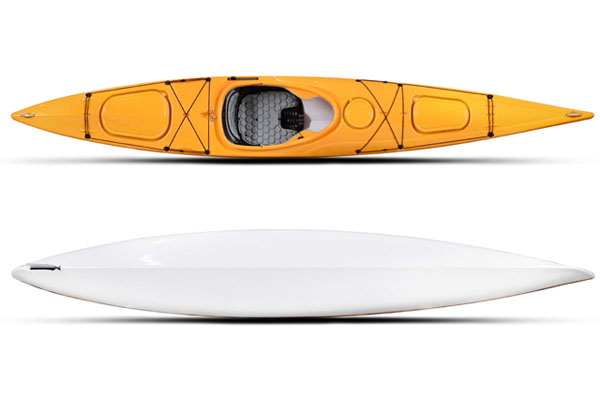
કાયકનું વર્ગીકરણ:
1. સિંગલ બોટ: 520 લંબાઈમાં સે.મી, 51 cm પહોળાઈ અને 12 વજનમાં કિલો. ઓલિમ્પિક ઈવેન્ટ્સમાં પુરુષોનો સમાવેશ થાય છે 500 મીટર (માં સમાવેશ થાય છે 1976), 1000 મીટર (માં સમાવેશ થાય છે 1936), અને મહિલાઓની 500 મીટર (માં સમાવેશ થાય છે 1948).
2. ડબલ બોટ: બોટની લંબાઈ છે 650 સે.મી., પહોળાઈ છે 55 સે.મી., અને વજન છે 18 કિલો. ઓલિમ્પિક ઈવેન્ટ્સમાં પુરુષોની 500મી (માં યાદી થયેલ છે 1976), 1000 મી (માં યાદી થયેલ છે 1936) and the women’s 500m (માં યાદી થયેલ છે 1960).
3. Four-person boat: બોટની લંબાઈ છે 1100 સે.મી., પહોળાઈ છે 60 સે.મી., અને વજન છે 30 કિલો. The Olympic events include the men’s 1000m (માં યાદી થયેલ છે 1964), the women’s 500m (માં યાદી થયેલ છે 1984) and the 1000m (માં યાદી થયેલ છે 1992).
4. Obstacle turn: The manufacturer of Single seat kayak tells you that the athlete must cross or bypass the prescribed obstacles in the prescribed waterway in the rapids to reach the end point, and the one with the fewest deductions wins. The channel is 800 meters long with artificial and natural obstacles. Single seat kayak manufacturers tell you that artificial obstacles are door frames with a width of 90~120 cm, generally 25~30. You must pass through each door frame during the competition, and points will be deducted for collision or leakage. Both men’s and women’s singles obstacle slalom were listed as Olympic events in 1992.


