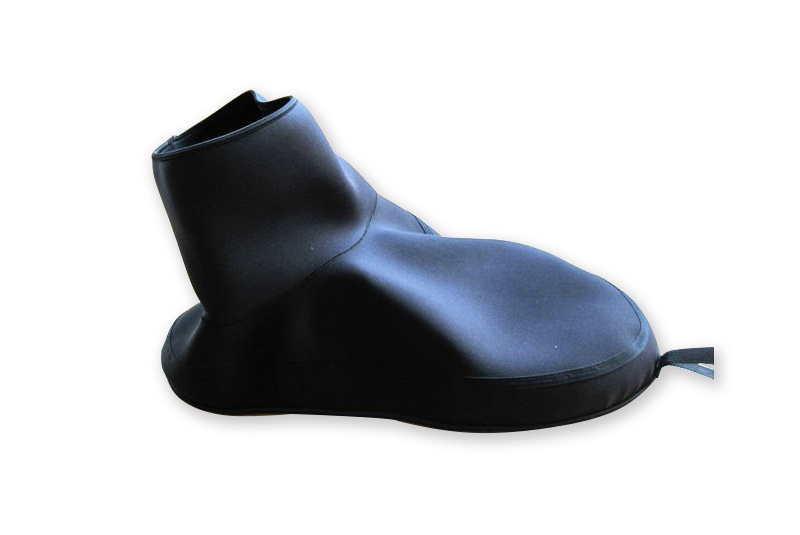
Baetsi ba lekhotla ba letlalo la kayak ba nka hore u utloisise bohlokoa ba lisebelisoa tsa lipapali
Baketsana ha baa lokela ho itšetleha feela ka gear empa a tlameha ho leka le ho tloaela ho sebelisa lisebelisoa tsa bona maemong a fapaneng.

Baketsana ha baa lokela ho itšetleha feela ka gear empa a tlameha ho leka le ho tloaela ho sebelisa lisebelisoa tsa bona maemong a fapaneng.
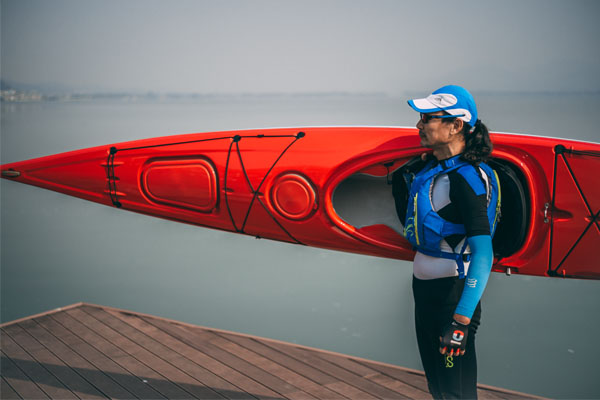
Setulo se le seng sa kayak search se eletsa ho hlakisa liaparo tse sirelletsang, ho ja hantle pele ho kayak, Boloka bophelo ba bophelo ka thata, Ho netefatsa kayak, Ho ikamahanya le mocheso oa metsi, 'me u boloka lintho tsa bohlokoa ka mokhoa o sireletsehileng ho thibela ho se utloisisane le ho netefatsa polokeho ha u le kayiking.
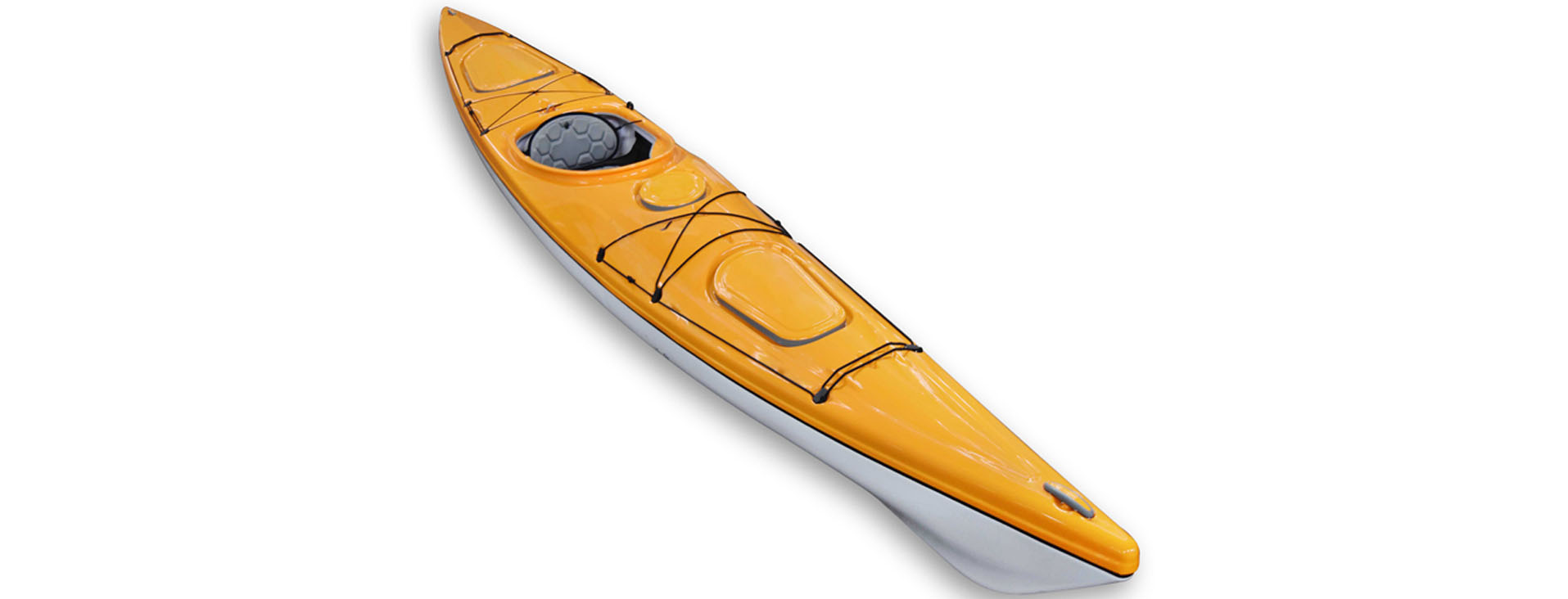
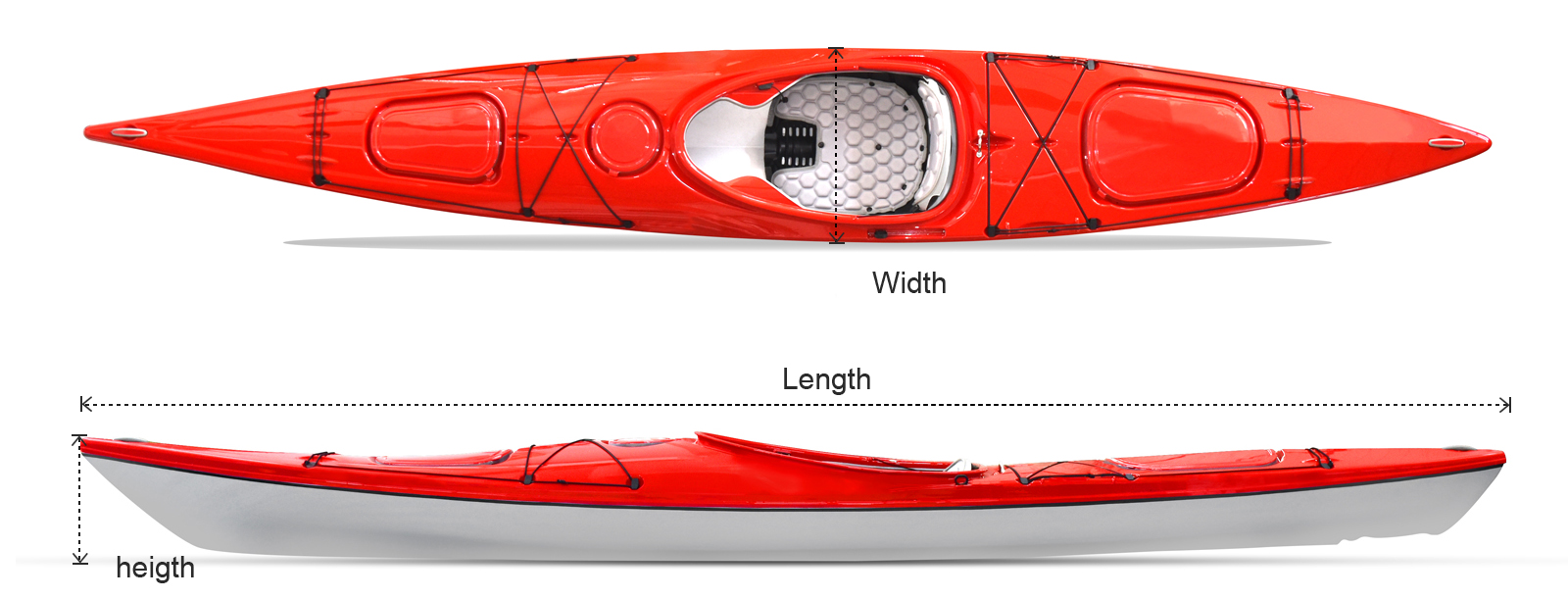
Ithute ka Tloso ea Kayaks, ho kenyelletsa e le 'ngoe, habeli, le liketsoana tse 'ne, Hammoho le Liketsahalo tsa Slalom, le litlhaloso tsa bona tsa pono le ho kenyelletsa le Liolimpiki.
Learn to row a single-seat kayak in a kneeling position with alternating forehand and backhand strokes to maintain a straight line, utilizing both sides evenly for effective propulsion.
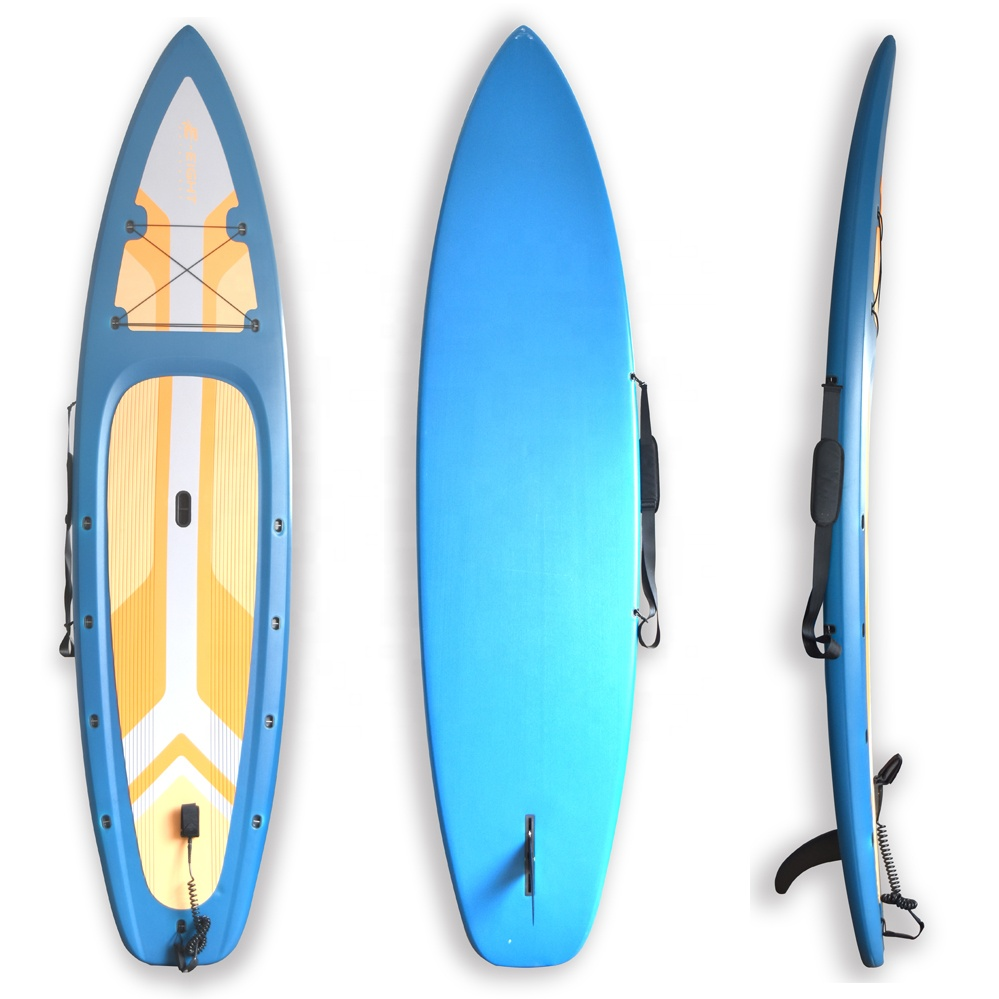
When first trying a touring paddle board, choose calm waters free of obstacles, ensure inflatable boards are properly inflated, wear a life jacket and foot rope, and practice kneeling for balance before standing and paddling, while preparing for potential falls by aiming to land in the water rather than on the board.
Touring paddle boards are gaining popularity due to their ease of use and suitability for urban water activities, driven by post-pandemic outdoor enthusiasm, though the market remains niche and requires adaptation and innovation from manufacturers and entrepreneurs.
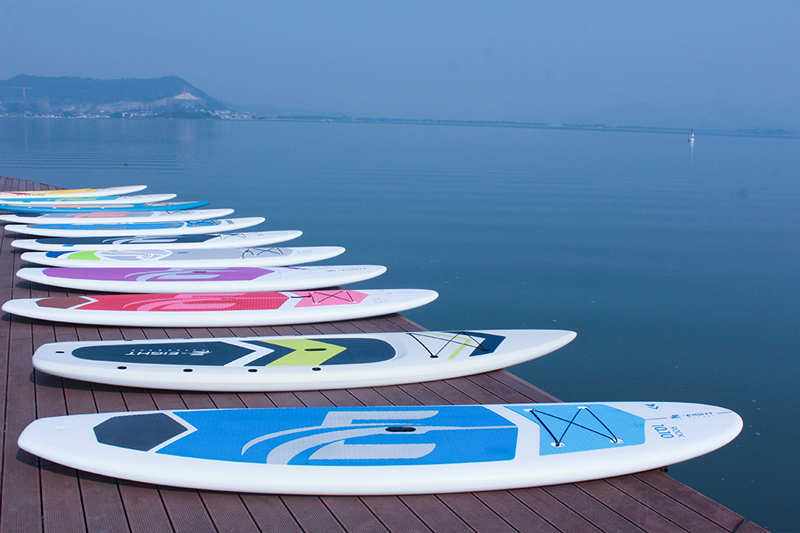
When choosing a touring paddle board, consider your body size, the board’s volume and load capacity, the intended water conditions, storage and transport logistics, and opt for an inflatable board for easier transport in windy areas.
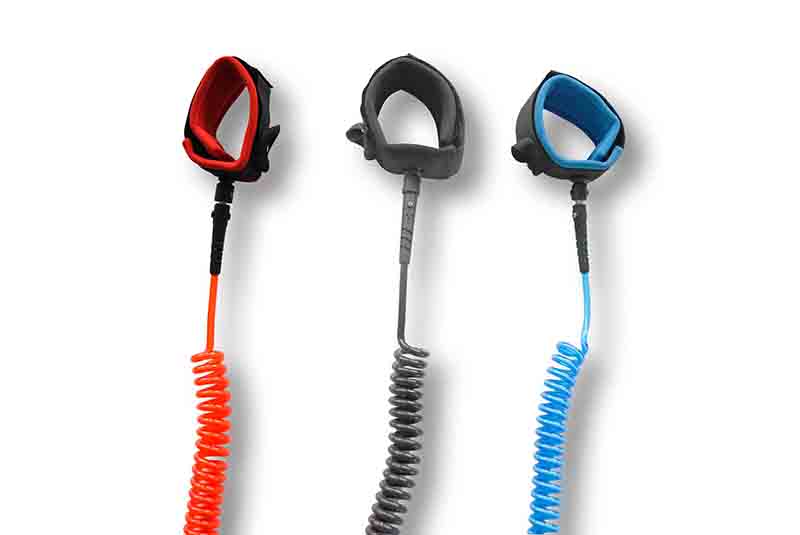
Kayaking and rowing are distinct water sports, both collectively referred to as kayaking, with kayaking involving alternating paddling while seated, and rowing involving paddling on one side while kneeling; kayaks originated from Eskimos in Greenland and rowing boats from Canada, with kayaking becoming an Olympic sport in 1936.