I pruduttori di kayak à un sediu vi dicenu chì u kayak hè divisu in dui elementi: kayak è canottaggio. U kayak hè urigginatu da una piccula barca fatta da u populu Inuit di Groenlandia. Questa barca hè impannillata in un quadru di osse cù pelle di balena è pelle di lontra, è hè rematu cù un remo cù lame à e duie estremità. Segui u fabricatore di kayak a sedia unica oghje per sapè nantu à i tipi di kayaks.
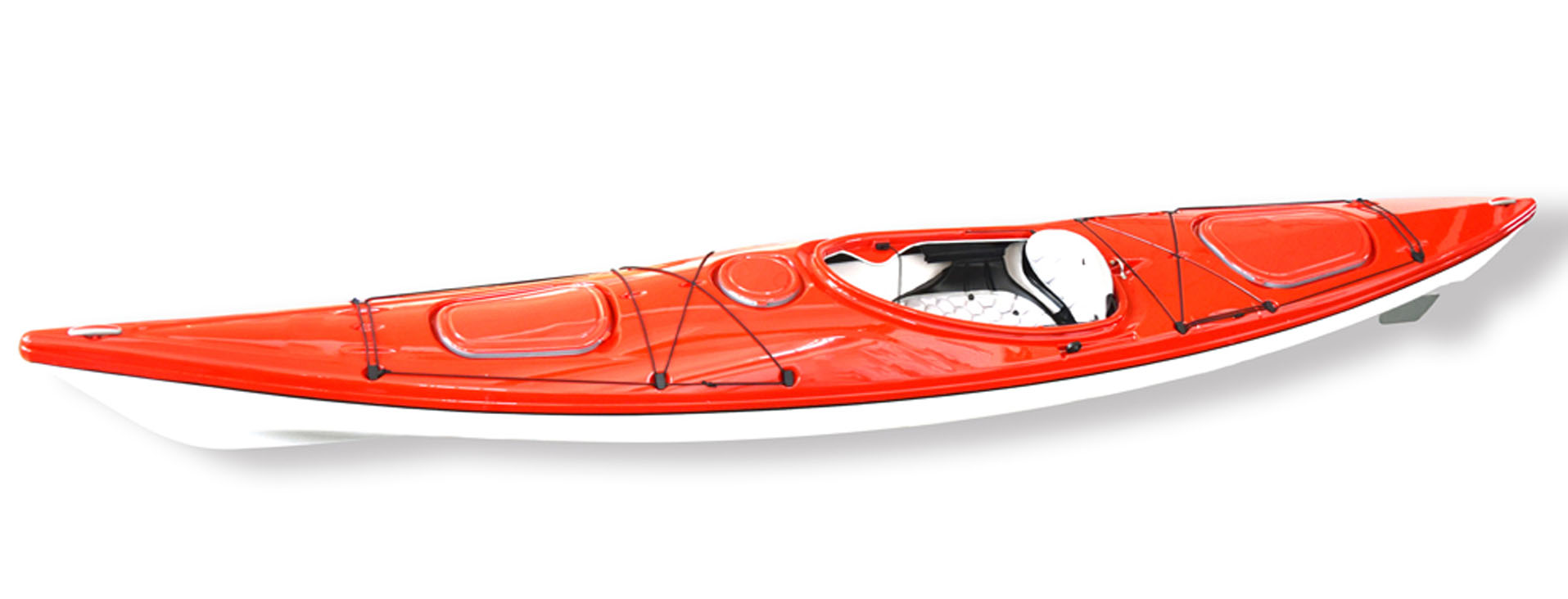
Tipi di kayaks:
1. Barca sola: 520 cm di lunghezza, 51 cm in larghezza è 12 kg in pesu. L'avvenimenti olimpichi includenu l'omi 500 metri (inclusu in 1976), 1000 metri (inclusu in 1936), è di e donne 500 metri (inclusu in 1948).
2. Barca doppia: A durata di a barca hè 650 cm, a larghezza hè 55 cm, è u pesu hè 18 kg. L'avvenimenti olimpichi includenu i 500 m maschili (listatu in 1976), i 1000 m (listatu in 1936) and the women’s 500m (listatu in 1960).
3. Four-person boat: A durata di a barca hè 1100 cm, a larghezza hè 60 cm, è u pesu hè 30 kg. The Olympic events include the men’s 1000m (listatu in 1964), the women’s 500m (listatu in 1984) and the 1000m (listatu in 1992).
4. Obstacle turn: The manufacturer of Single seat kayak tells you that the athlete must cross or bypass the specified obstacles in the specified waterway in the rapids to reach the end point. The channel is 800 meters long with artificial and natural obstacles. Single seat kayak manufacturers tell you that artificial obstacles are door frames with a width of 90~120 cm, generally 25~30. You must pass through each door frame during the competition, and points will be deducted for collision or leakage.


