Kayak Spray Scorter Screter Me mohio koe ki te hiranga o nga taputapu hākinakina
Kaua nga kaieke waka e whakawhirinaki noa ki nga taputapu engari me whakamatau me te whakaharatau ki te whakamahi i a raatau taputapu i roto i nga momo ahuatanga.
Katoa mo te hākinakina Kayaking me te wai

Kaua nga kaieke waka e whakawhirinaki noa ki nga taputapu engari me whakamatau me te whakaharatau ki te whakamahi i a raatau taputapu i roto i nga momo ahuatanga.

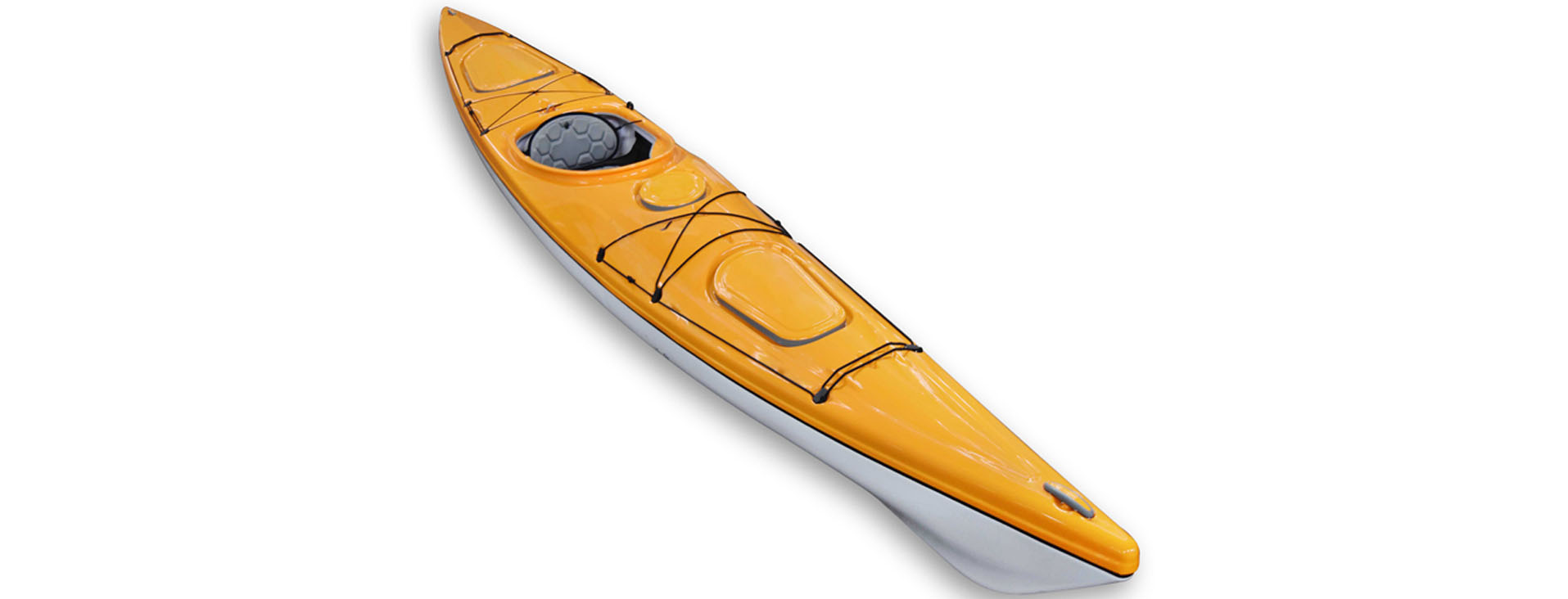
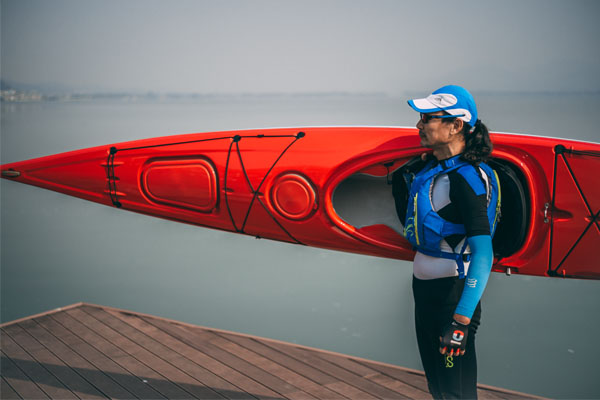
Ka tohutohu nga kaihanga waka waka noho kotahi ki te mau kakahu whakamarumaru, kai pai i mua i te waka waka, kia mau i nga koti ora, te whakarite kia piki katoa nga waka, te urutau ki te pāmahana wai, me te pupuri haumaru i nga taonga utu nui hei aukati i te pohehe me te noho haumaru i te wa e eke waka ana.

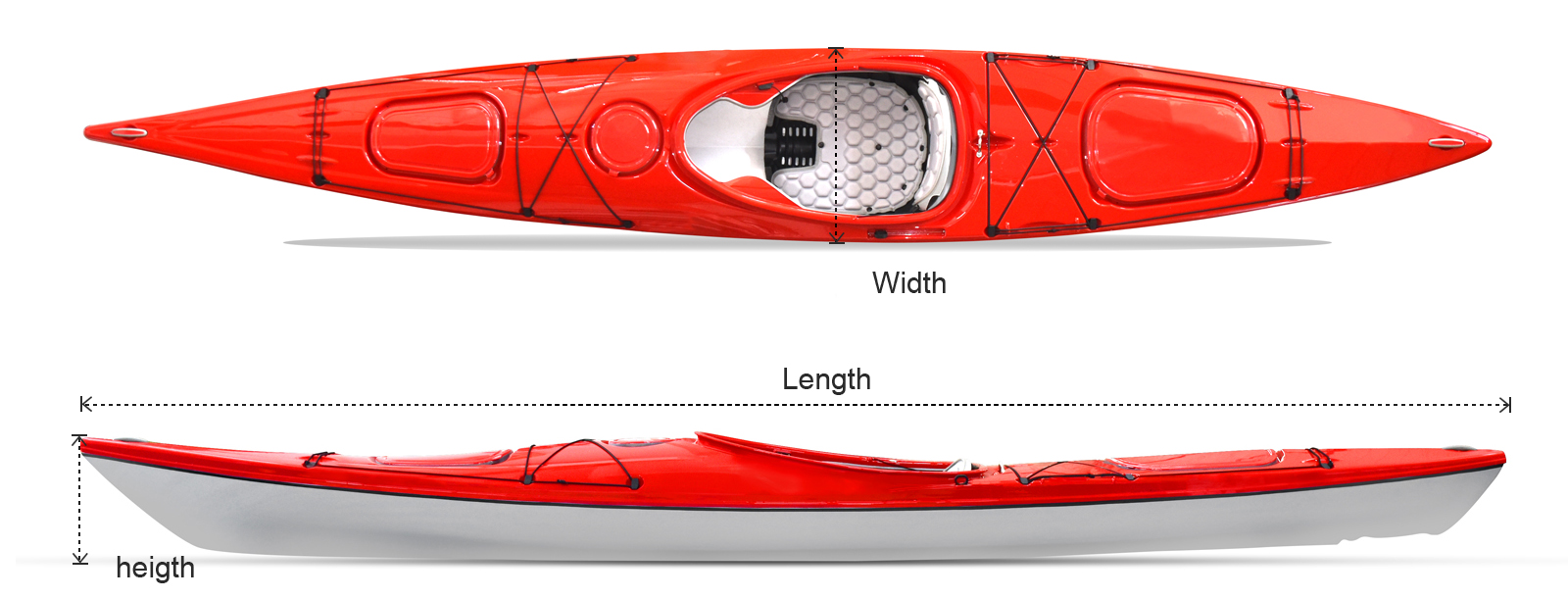
Learn about the classification of kayaks, including single, taurua, and four-person boats, along with obstacle slalom events, and their respective specifications and Olympic inclusion.

Learn to row a single-seat kayak in a kneeling position with alternating forehand and backhand strokes to maintain a straight line, utilizing both sides evenly for effective propulsion.

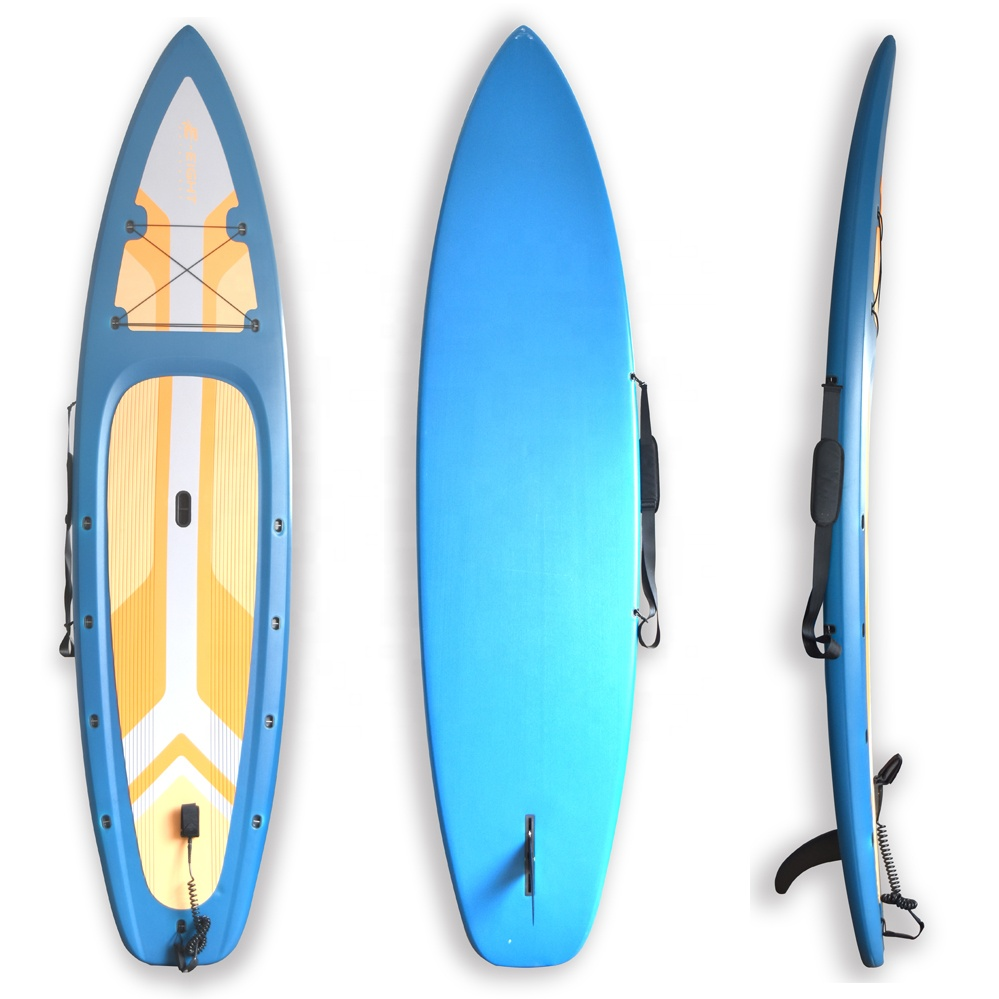
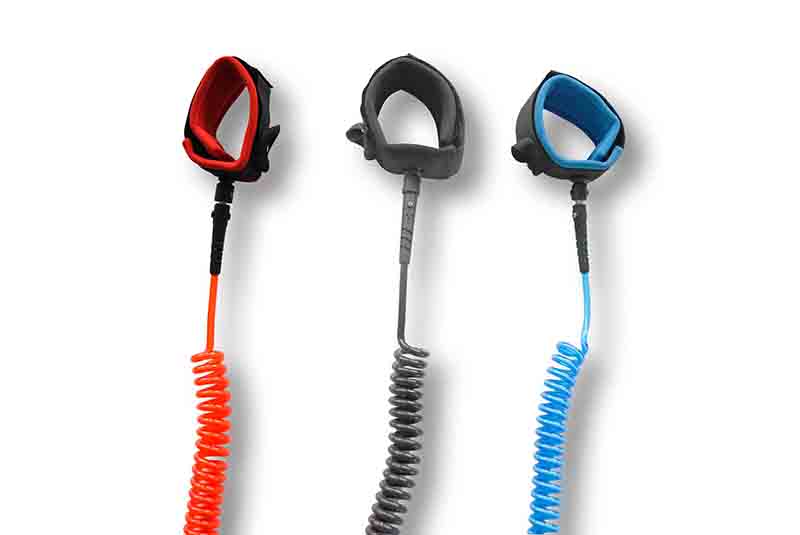
When first trying a touring paddle board, choose calm waters free of obstacles, ensure inflatable boards are properly inflated, wear a life jacket and foot rope, and practice kneeling for balance before standing and paddling, while preparing for potential falls by aiming to land in the water rather than on the board.

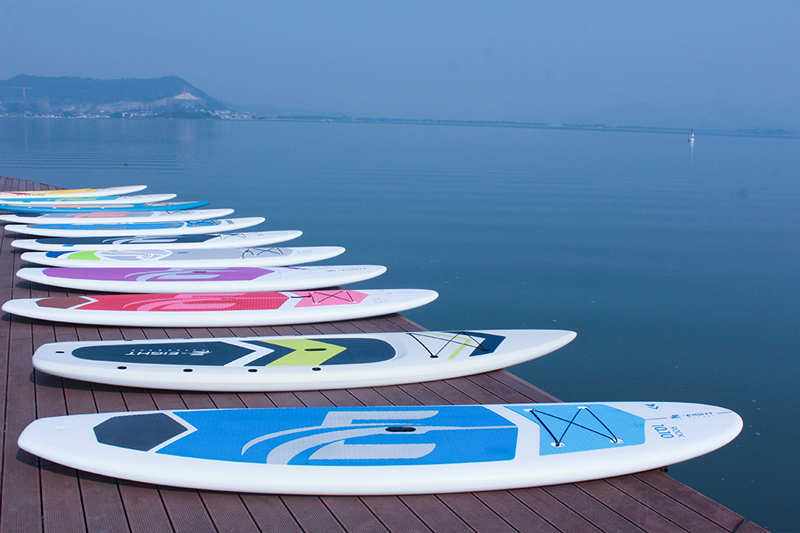
Touring paddle boards are gaining popularity due to their ease of use and suitability for urban water activities, driven by post-pandemic outdoor enthusiasm, though the market remains niche and requires adaptation and innovation from manufacturers and entrepreneurs.

When choosing a touring paddle board, consider your body size, the board’s volume and load capacity, the intended water conditions, storage and transport logistics, and opt for an inflatable board for easier transport in windy areas.

Kayaking and rowing are distinct water sports, both collectively referred to as kayaking, with kayaking involving alternating paddling while seated, and rowing involving paddling on one side while kneeling; kayaks originated from Eskimos in Greenland and rowing boats from Canada, with kayaking becoming an Olympic sport in 1936.

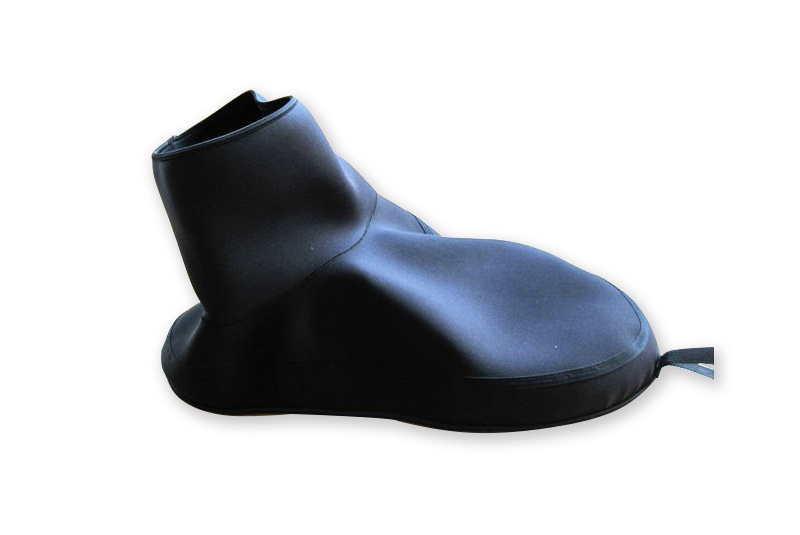
Beginners in kayaking should avoid the sea due to strong winds and waves, opt for still waters or slow rivers, use entry-level kayaks, and if going to sea, stay near-shore with appropriate safety gear such as waterproof skirts or platform boats.

The original kayaks, used by Eskimos in North America, were made with animal bones and skins, while modern kayaks typically use wooden frames with aviation plywood or fiberglass hulls, as adapted by McGregor in 1965 for tourism and sports.
Ka whakautu wawe matou ki a koe i roto 24 haora o te whiwhi īmēra, kia aro mai ki te imeera me te kumara “@ridgeside-paddle.com”.
Ano hoki, ka taea e koe te haere ki te Whārangi Whakapā, e whakarato ana i te puka taipitopito ake, e rapu ana i nga matea rarawe hua me te whakaritenga ODM/OEM.
Kia tutuki ai nga ture tiaki raraunga, ka tono matou ki a koe ki te arotake i nga kaupapa matua o te pakūake. Hei whakamahi tonu i to maatau paetukutuku, me panui koe 'Whakaae & Katia'. Ka taea e koe te panui atu mo ta maatau kaupapa here tūmataiti. Ka tuhia e matou to whakaaetanga ka taea e koe te whakaputa ma te haere ki ta maatau kaupapa here tūmataiti me te paato i te widget.