
Abavelisi be-kayak besihlalo esinye bakuxelela ukuba i-kayaking yahlulwe ibe zizinto ezimbini: Ukuhamba kunye nokuqengqeleka. I-kayak yavela kwisikhephe esincinci esenziwe ngabantu be-Inuit baseGreenland. Esi sikhephe esongelwe kwisakhelo sethambo kunye nesikhumba somnenga kunye nesikhumba se-otter, yaye ibheqa ngephini lokubhexa ngeencakuba zozibini iziphelo zayo. Namhlanje, follow the Single seat kayak manufacturer to learn about the classification of kayaks.
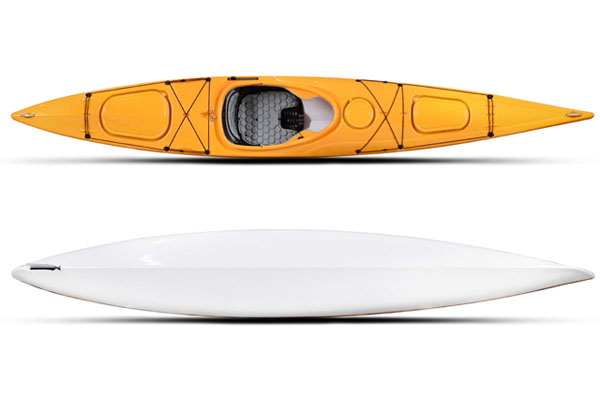
Classification of kayaks:
1. Isikhephe esinye: 520 cm ubude, 51 cm ububanzi kunye 12 kg ubunzima. Iminyhadala yeOlimpiki ibandakanya ezamadoda 500 iimitha (ibandakanyiwe kwi 1976), 1000 iimitha (ibandakanyiwe kwi 1936), kunye nabasetyhini 500 iimitha (ibandakanyiwe kwi 1948).
2. Isikhephe esiphindwe kabini: Ubude bephenyane bu 650 i-cm, ububanzi bu 55 i-cm, kwaye ubunzima bu 18 ikg. Imisitho yeOlimpiki ibandakanya i-500m yamadoda (idweliswe kwi 1976), i1000m (idweliswe kwi 1936) kunye nabasetyhini i-500m (idweliswe kwi 1960).
3. Isikhephe sabantu abane: Ubude bephenyane bu 1100 i-cm, ububanzi bu 60 i-cm, kwaye ubunzima bu 30 ikg. Imisitho yeOlimpiki ibandakanya i-1000m yamadoda (idweliswe kwi 1964), abafazi 500m (idweliswe kwi 1984) kunye ne-1000m (idweliswe kwi 1992).
4. Obstacle turn: The manufacturer of Single seat kayak tells you that the athlete must cross or bypass the prescribed obstacles in the prescribed waterway in the rapids to reach the end point, and the one with the fewest deductions wins. The channel is 800 meters long with artificial and natural obstacles. Single seat kayak manufacturers tell you that artificial obstacles are door frames with a width of 90~120 cm, generally 25~30. You must pass through each door frame during the competition, and points will be deducted for collision or leakage. Both men’s and women’s singles obstacle slalom were listed as Olympic events in 1992.


